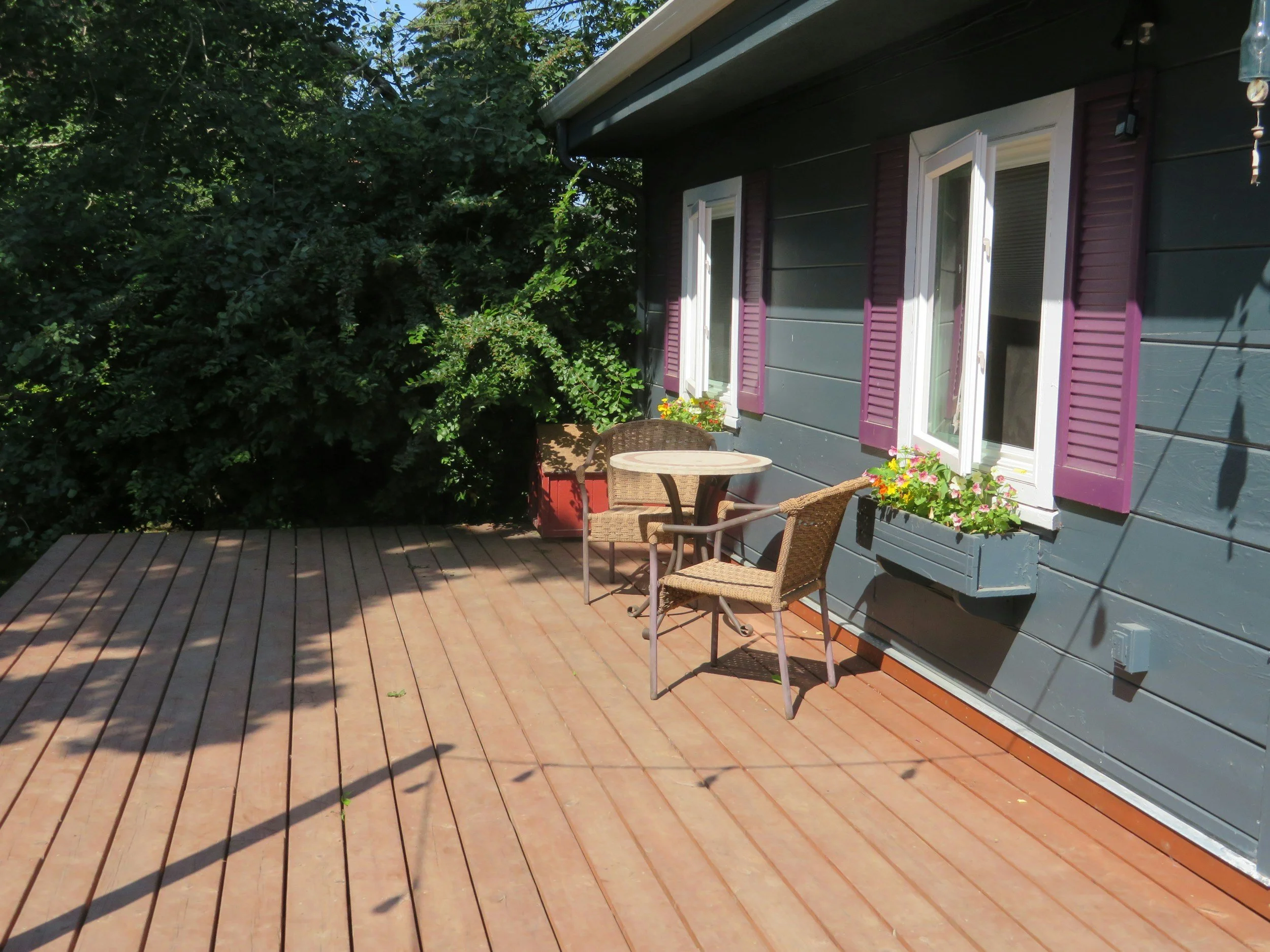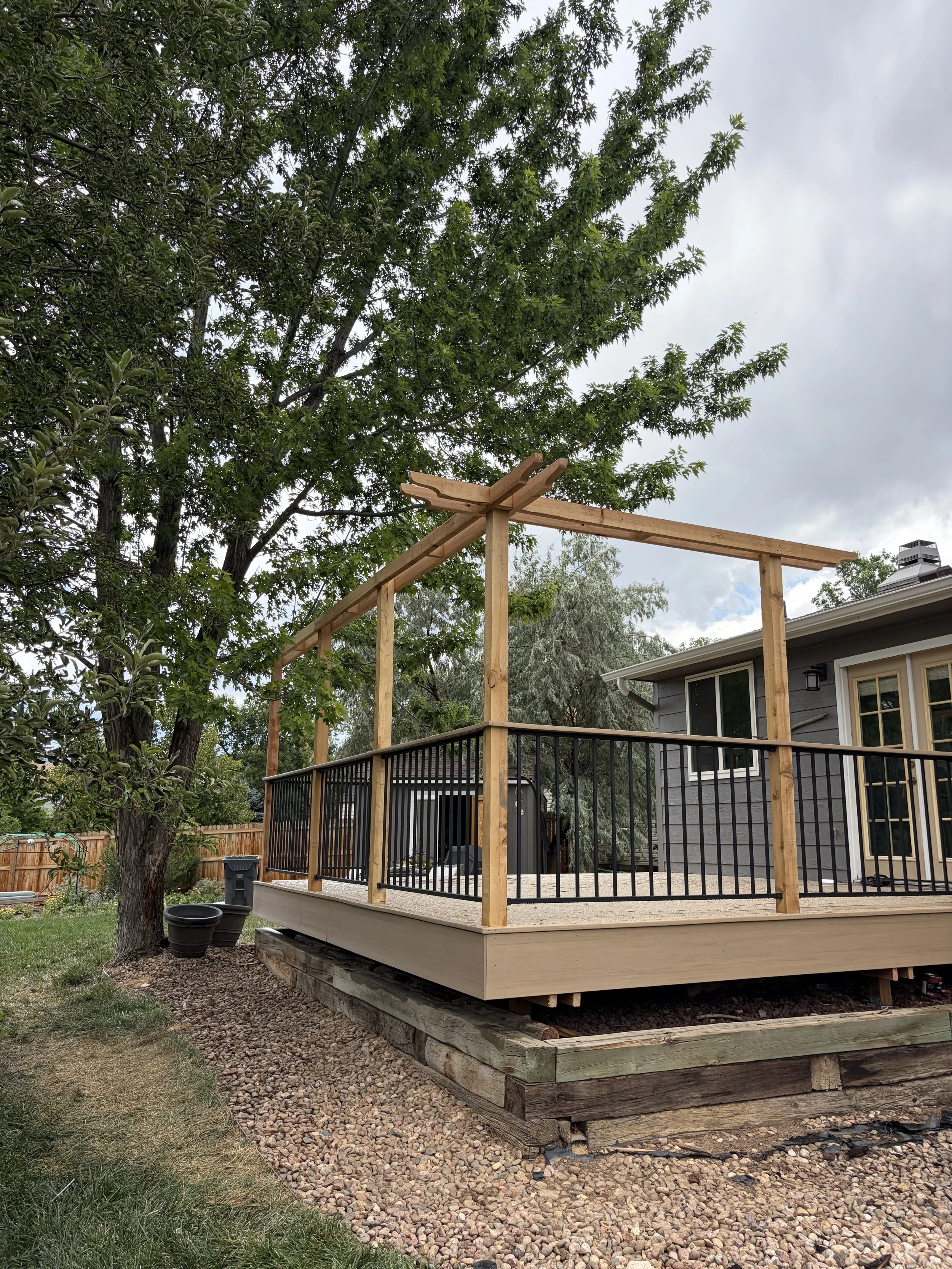
PVC decking is a fully synthetic, 100% cellular vinyl product — no wood fiber at all. That distinction matters a lot in Colorado, where freeze-thaw cycles and low humidity are the two things that destroy decks fastest. Because PVC boards don't contain any organic material, they can't absorb moisture the way wood-composite blends can, which makes them one of the most durable options for Front Range homes, especially in shaded or moisture-prone spots.
Scouts Fence and Deck installs PVC decking across Denver and Littleton for homeowners who want the lowest-maintenance option available and are willing to pay a premium for it.
PVC Decking Installation in Denver & Littleton, Co
Why PVC Performs Well in Colorado
-
Unlike wood-composite blends, PVC has no wood fiber to swell, crack, or hold water — a real advantage through repeated freeze-thaw cycles.
-
Especially relevant for decks in shaded yards or north-facing exposures that don't get much direct sun to dry out.
-
Colorado can swing 40+ degrees in a single day. PVC is engineered to expand and contract predictably without the structural fatigue wood-based products experience.
-
Many PVC lines are formulated to stay cooler than composite in full-sun exposure — relevant on south- and west-facing Denver-area decks.
-
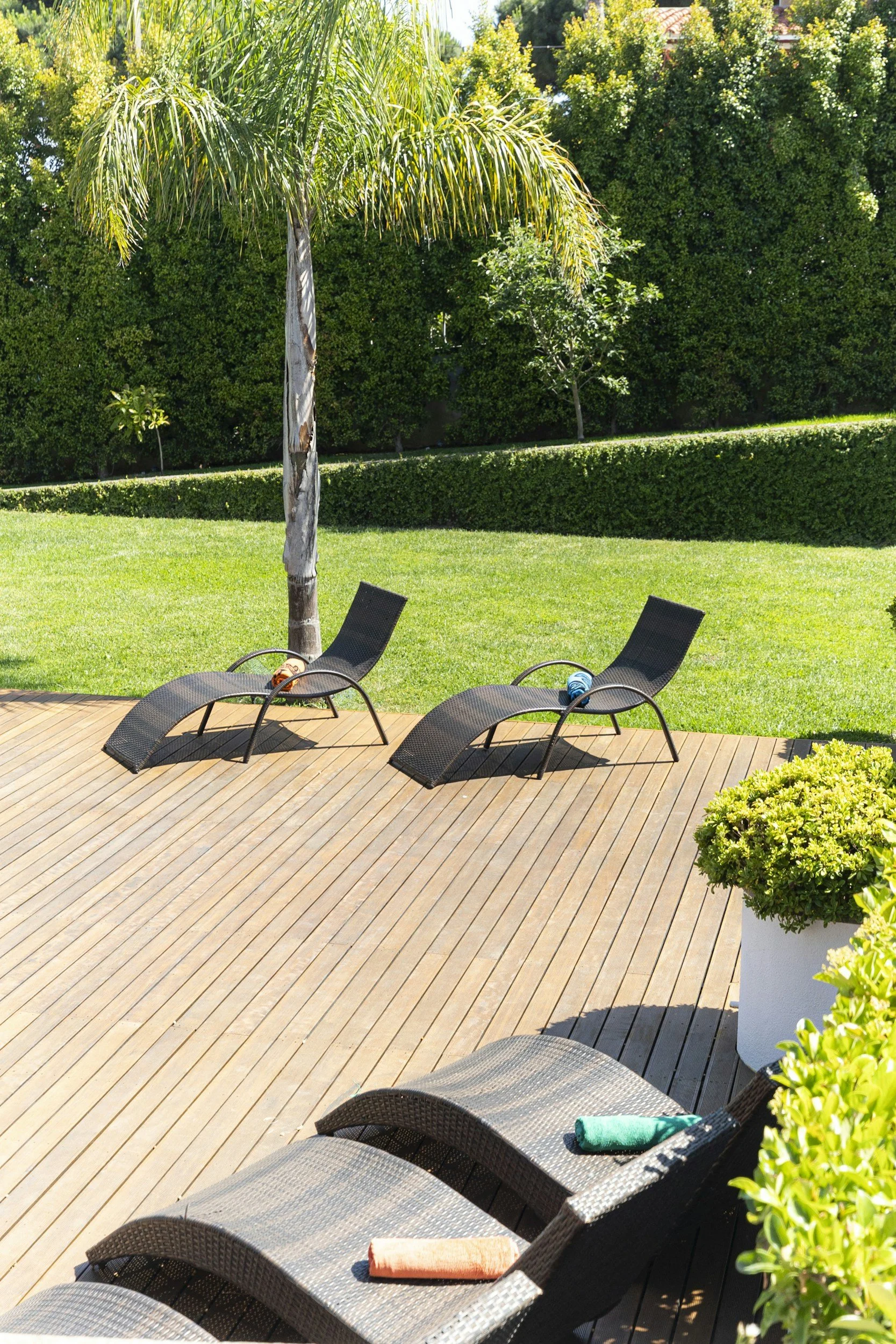
A common choice for homeowners with dogs, grills, and high-traffic outdoor living spaces.
Your Questions, Answered
-
Like any deck project in the Denver metro, PVC installations need to meet local building code — and if your property sits within Jefferson County's Wildland-Urban Interface (WUI) Overlay District, there are additional considerations around structural detailing and guardrail requirements before the county will approve a permit.
We prepare the full plan set — site plan, deck plan, elevation, and details sheet — as part of every PVC deck project, and we know in advance which builds will need an engineer's stamp. That means no surprises mid-project and no permit delays holding up your build.
-
PVC and composite solve similar problems but aren't identical. PVC is fully synthetic and typically the most moisture-resistant option available, which makes it a strong choice for shaded decks, homes near sprinklers or irrigation, or ground-level decks with limited airflow underneath. Composite decking (Trex, TimberTech) generally offers a wider range of wood-look finishes and is often more budget-friendly. We'll walk through both options with you based on your deck's sun exposure, budget, and how you want it to look — there's no one-size-fits-all answer.
-
PVC decking is a durable base for the details that make a deck actually livable — built-in bench seating, cable railing for unobstructed views, integrated lighting, or a pergola for shade during Colorado's strong summer sun. We start every project with a conversation about how you'll actually use the space before locking in material and layout.
That means Class A fire rated decking is normally only accepted so a Composite or PVC Decking may be your best choice. However, IPE can also be used in some of these zones.
Our Process
-
Sun exposure, existing structure, species selection, and how the deck will be used.
-
We’ll help you pick out every piece of material you want to use on your deck. Composite or wood board? Cable or metal railings? Fascia and paint? Simple or decorative post bases? There are more decisions than you would expect and we’ll walk you through all of it.
-
We’ll detail our structural plans with you so you know that your deck is being built to last.
-
We’ll handle the permits & Inspections while you just sit back and watch your outdoor space come to life!
-
Inspection sign-off, plus a maintenance rundown for your specific wood species.
PVC Frequently Asked Questions
-
It depends on the deck. PVC's zero moisture absorption gives it an edge in shaded or damp locations, while composite often wins on price and finish variety. We'll assess your specific site.
-
Quality PVC products are engineered with UV-stable formulations and typically carry strong fade warranties, but exposure level (south/west-facing vs. shaded) still affects long-term appearance.
-
Yes, in nearly all cases — and WUI Overlay District properties have additional requirements. We handle the complete plan set for submittal.
-
Generally yes, PVC carries a price premium over composite, reflecting its fully synthetic construction and moisture performance.
Let’s Work Together